A good claim starts with good records. The days after a water loss are stressful, and the details you collect in the first hour often decide how smoothly the claim goes. This guide is a checklist for Lakewood homeowners and renters, written around the steps a restoration crew and an adjuster both rely on. It does not tell you what your policy covers, because your insurer decides that.
Step 1: stop the water and stay safe
Before documenting anything, close the valve and make the area safe. Electrical hazards and contaminated water are the two things that cannot wait. If water touches outlets or the panel, call the utility or 911. Safety comes first, and insurers expect it.
Step 2: photograph and video before anything moves
- Take wide shots of each room, then close-ups of the waterline, stains and damaged items.
- Film a slow walkthrough and narrate what you see and the date.
- Photograph the source, such as the failed pipe, hose or opening, and keep the part.
- Photograph serial numbers on affected appliances and electronics.
- Do this before cleanup, because moving things changes the evidence.
Step 3: report the loss
Call your insurer or agent and report the loss promptly. Write down the claim number, the date and time of the call and the name of the person you spoke to. Ask what the insurer needs from you and what the next step is. Reporting does not commit you to filing a claim, and a quick call keeps your options open.
Water damage in your home? Call the 24/7 line while you document it.
☎ (216) 541-8541Step 4: mitigate, and keep the receipts
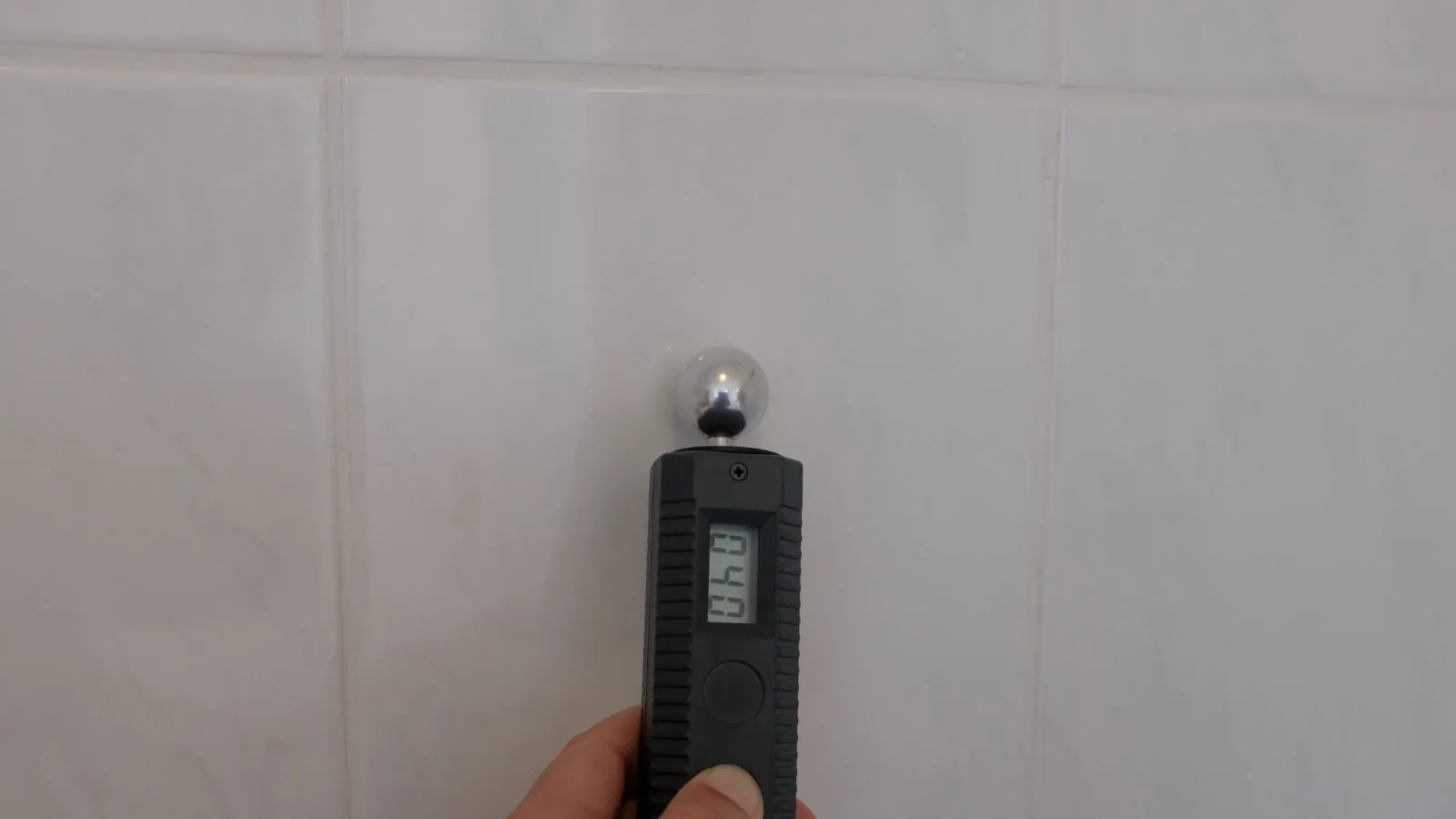
Most policies expect you to take reasonable steps to prevent more damage. That can mean extraction, drying equipment, tarping a roof opening or boarding a window. Keep every receipt. A restoration crew can record moisture readings, take photos and write a scope of work, and that paperwork gives the adjuster a clear picture.
The drying process and why readings matter are explained on the structural drying page.
Step 5: make an inventory
| What to list | What to include |
|---|---|
| Damaged contents | Item, brand, age, rough value and a photo. |
| Damaged structure | Rooms, materials and a rough area for each. |
| Extra costs | Hotel stays, meals, laundry and temporary repairs, with receipts. |
| Work done | Dates, who did it and what was invoiced. |
Do not throw out damaged items until the adjuster has seen them or you have documented them in detail. Sewage-contaminated items are the exception, because they are unsafe to keep, so photograph them first.
Step 6: meet the adjuster
Be present if you can, and walk the adjuster through the damage with your photos. Ask what is covered and what is not, and ask for decisions in writing. If the restoration crew has a scope and readings, share them. If you disagree with an estimate, you can ask for a review and provide your own documents.
Step 7: keep a running log
Claims often last weeks, and memory fades. Keep a simple log with the date, who you spoke to, what was said and what was promised. Save emails and photos in one folder, and back them up to a second place. If a dispute comes up later, a clear log is more persuasive than recollection.
Ask for estimates and scopes in writing, and keep every version. If an adjuster's number differs from a contractor's, the written scopes show where the difference lies, such as a room that was left out or a material that was priced differently.
Common mistakes that slow a claim
- Cleaning up and discarding items before taking photos.
- Waiting days to report the loss.
- Signing a work order or a release without reading it.
- Assuming a verbal promise is binding. Ask for it in writing.
- Forgetting to list smaller items such as stored boxes and holiday decorations.
If any of these has already happened, do not panic. Document what you can, explain what happened and keep going. Insurers see incomplete records all the time, and a clear account of what you did and when still helps.
Lakewood note: renters and doubles
Census survey figures show more than half of Lakewood households rent and a majority of housing structures hold more than one unit. In a rented unit or a double, tell your landlord right away, because the building policy and your renter's policy cover different things.
Write down the date and time you noticed the damage and where the water seemed to start. If it came from the unit above, that detail matters to both households' insurers.
Source type: U.S. Census Bureau American Community Survey housing figures, as reported by a public statistics site.
For help with the work itself, our crew serves Lakewood and the nearby towns of Cleveland and Brook Park, and explains scope and price before work starts. A flooded lower level is covered on basement water damage cleanup.
Questions homeowners ask
How soon should I report water damage to my insurer?
As soon as you can. Policies usually ask for prompt notice, and a quick call keeps your options open. Ask what the deadline is.
Should I clean up before the adjuster arrives?
Stop further damage and dry the area, but photograph everything first and keep damaged items or document them fully.
What if I rent my apartment in Lakewood?
Tell your landlord at once and call your renter's insurer about your belongings. The landlord's insurance covers the building.
Can a restoration company file the claim for me?
No. You file the claim. A restoration crew provides photos, readings and a scope to support it.
Who do I call if the leak came from the street?
Call the City of Lakewood's water and sewer division. The city owns the mains and owners are responsible for pipes on private property.