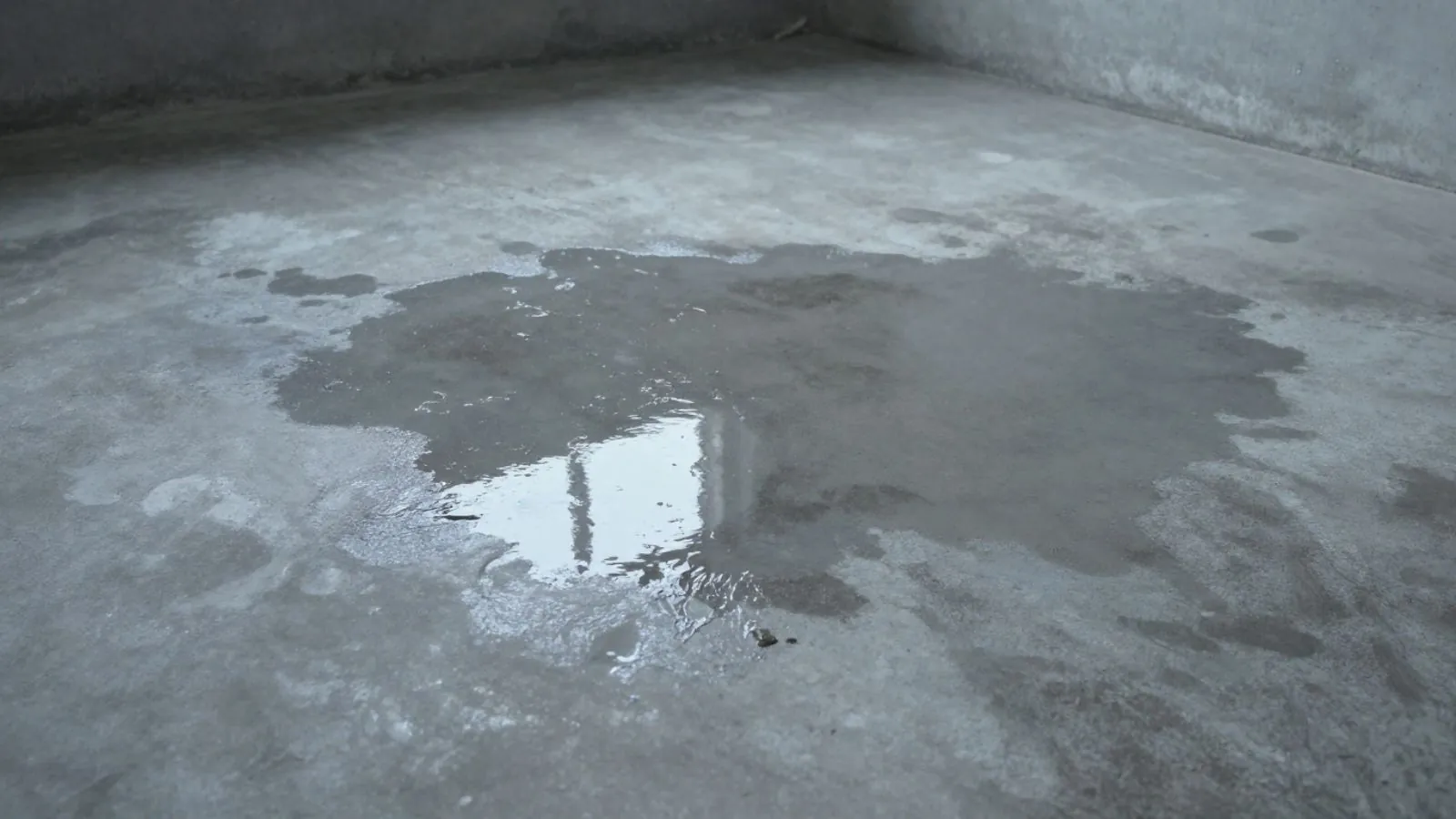
A slab leak is a water line that has failed beneath or inside a concrete floor. If you hear running water with every fixture off, feel a warm spot on a floor or see the water meter turning on its own, call (216) 541-8541. The line is open 24/7, and closing the main shut-off while you wait is the best thing to do.
Because the pipe is buried, the leak can run a long time before it shows. This page covers the water damage it causes above the slab, such as wet flooring and baseboards. The pipe itself is repaired by a plumber.
Warm floor, rising bill or the sound of running water?
Most people never use the words slab leak. They search for a floor that feels warm, a damp spot on carpet that will not dry, or a water bill that jumped. Those are the symptoms of a leak in a line below the floor. In restoration terms the cleanup is slab leak water damage, and it starts with finding which materials above the slab are wet.
When a slab leak is an emergency
Treat it as urgent if the water is surfacing, if floors are lifting or if the meter is spinning fast. Close the main valve, turn off the water heater and open a faucet on the lowest level to relieve pressure. If a hot line is leaking, a warm floor can also mean hot water, so keep skin and pets off the area.
Electrical safety
If water is spreading toward outlets or a panel, switch off power only from a dry position and call the utility or 911 if you cannot do so safely.
How slab leaks relate to Lakewood housing
Many older Lakewood homes, with a median build year near 1938 in Census survey data, were built over basements instead of slabs, so true slab leaks tend to involve later additions, enclosed porches, garages or some apartment and commercial buildings. If your home has a basement, a leak you suspect under the floor may instead be in a supply line in the ceiling or wall below it. A plumber can confirm the location with leak detection equipment.
Hearing water with everything off? Call now and shut off the main.
☎ (216) 541-8541What the restoration involves
A moisture meter and thermal camera trace the wet area across flooring, baseboards and the lower wall. Carpet and pad usually lift first, since they hold water and may host mold. Wood and laminate floors are often removed where the water reached the subfloor.
Concrete itself dries slowly because it is dense, so drying a slab can take longer than a framed floor. Air movers and dehumidifiers run until readings reach the drying goals for the slab and the finishes above it. The structural drying page explains drying goals.
Repair paths the plumber may suggest
- Spot repair: the slab is opened over the leak and the section is replaced.
- Reroute: a new line is run through the walls or attic and the old one is abandoned.
- Repipe: replacing a whole system when pipes are old or the material is failing.
- Lining: a coating inside an old pipe, where the pipe type allows.
Each path has different disruption and cost, so ask for options in writing. Restoration usually waits until the leak is stopped.
Cost factors for slab leak water damage
| Factor | Effect |
|---|---|
| How long the leak ran | Months of leaking soak the base, flooring and trim. |
| Flooring above | Tile, laminate, wood and carpet dry or fail differently. |
| Area affected | A hallway and an entire floor plate are very different jobs. |
| Drying time | Dense slabs dry slowly. |
| Plumbing method | Priced by the plumber and separate from restoration. |
Whether a slab leak is covered depends on the cause and your policy language, and some policies exclude hidden or long-term leaks, so ask your insurer before work starts. Keep the leak detection report and your water bills. Call (216) 541-8541 for scope and price explained first. If a hardwood floor lifted, see hardwood floor repair.
Before the crew arrives
- Shut off the main water valve and check the meter to confirm the leak.
- Do not tear into the floor yourself, because pipes and wiring can run below.
- Photograph warm spots, damp flooring and the meter reading.
- Drying follows the published ANSI/IICRC S500 standard once a plumber has stopped the leak.
Questions about slab leak water damage in Lakewood
What are the signs of a slab leak?
A warm spot on the floor, the sound of water with everything off, a damp spot that will not dry, a water meter that keeps moving and an unexplained jump in the bill.
Do all Lakewood homes have slabs?
No. Many older homes sit over basements, and some additions, garages and commercial spaces have slabs. A plumber can confirm your layout and the leak location.
Can the floor dry out after the leak is fixed?
Often yes, with equipment and enough time, though dense slabs dry slowly. Readings confirm it, not appearance.
Does the water heater matter?
Hot water lines under a slab can make floors warm. Turn off the heater if you suspect a hot line is leaking.
Do you handle slab leak water damage emergencies at night or on weekends in Lakewood?
Yes. A leak under the floor does not stop at night, so the line at (216) 541-8541 is answered 24/7 including weekends. Same-day response is offered when crews are available, and closing the main valve is the first step.