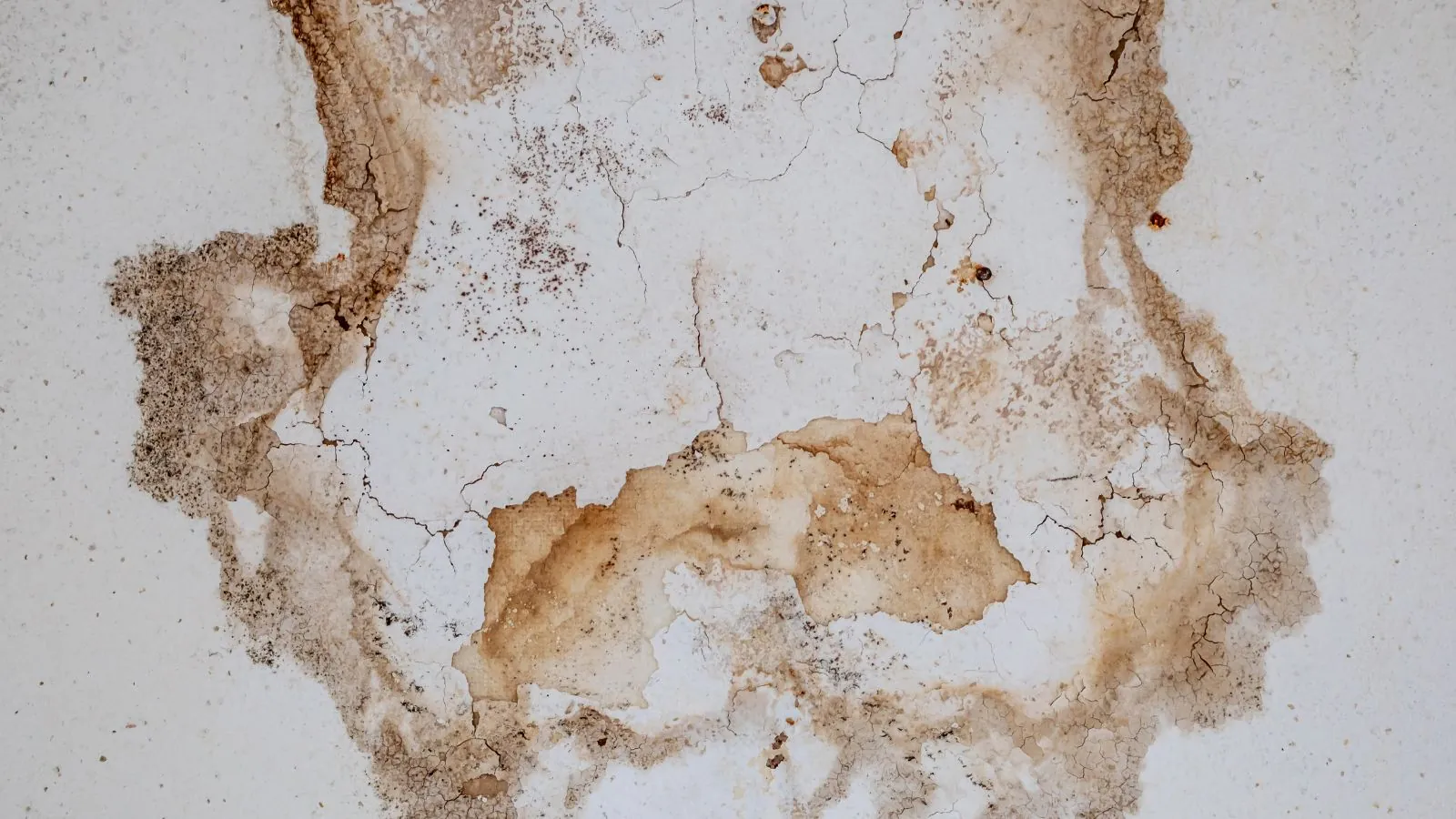
Storm water damage starts when wind and rain breach the building: a lifted shingle, a broken window, a failed door seal or a downspout that dumps against the wall. If your Lakewood home or business is taking on water, call (216) 541-8541. The line is open 24/7, and covering openings and moving belongings are steps you can take while you wait.
This page covers rain and wind damage through the building envelope. A plain roof leak that ends in a stained ceiling is handled on the ceiling water damage page, and rising ground or lake water is a flood damage case.
Storm water emergency: first steps
- Move people and belongings away from wet areas and shut off power to any wet room from a dry spot.
- Cover broken windows or roof openings with heavy plastic or boards if you can do so safely. Do not climb on a wet roof.
- Photograph damage before temporary repairs and keep your receipts for materials.
- Stay away from downed lines and report them to the utility.
- Call the line to start removal and drying.
How storms get water inside
Wind-driven rain forces water sideways into places a normal rain does not reach, such as under window flashing, behind siding and around chimneys. Ice and debris can clog gutters and push water under shingles. Basement window wells fill and overflow when drains cannot keep up.
Water that enters a wall cavity can run for a long time before it shows. A crew uses a moisture meter and thermal camera to trace the path from the opening to the damage.
Storm water coming in? Call now and cover what you can.
☎ (216) 541-8541Lakewood weather and the sewer system
Lakewood sits on Lake Erie, and storms that come off the lake can drive rain hard against walls on the north side. The city says that when groundwater and stormwater enter aging sewer pipes, the system can overload and flood basements. Heavy rain therefore can mean damage from two directions: through the roof and walls, and up through the floor drain. For the second case see sewage backup cleanup.
What the cleanup involves
Crews remove standing water, check walls, ceilings and floors for moisture and remove materials that cannot be dried. Wet insulation and drywall near the opening are commonly replaced. Air movers and dehumidifiers dry the remaining structure.
The roofer or window contractor closes the opening, and the restoration crew confirms dry readings before walls are closed. Temporary tarping is often the first step and is normally expected by insurers to limit further loss.
Insurance for storm damage
Wind and hail damage and rain that enters through a storm-created opening are often covered, while rising flood water usually is not. The line between them matters, so ask your insurer and report promptly. Keep photos, receipts and notes on dates and times.
Storm damage cost factors
| Factor | Effect |
|---|---|
| Entry point | A roof breach and a window failure are repaired by different trades. |
| Time water entered | Longer exposure wets more materials. |
| Hidden cavities | Water inside walls adds opening and drying. |
| Water category | Rain through a roof differs from lake or ground water. |
| Repairs after drying | Roofing, siding and interior finishes are separate. |
To have scope and price explained first, call (216) 541-8541. Nearby towns we serve include Bay Village, where the lakeshore faces the same exposure, and for the lower level in a storm read basement cleanup.
Before the crew arrives
- Stay away from downed lines and any water that has touched outlets.
- Cover roof or window openings if you can do it safely from the ground or inside.
- Photograph the opening and the damage before moving anything.
- Storm water cleanup follows the published ANSI/IICRC S500 standard, which treats flood water as contaminated.
Large older homes near the lake, as in Clifton Park, can take wind-driven rain through roof edges and windows.
Questions about storm water damage in Lakewood
Is storm water damage covered by insurance?
Rain that enters through a storm-damaged roof or window is often covered, while rising flood water usually is not. Your policy language decides, so ask your insurer and report quickly.
Should I tarp the roof myself?
Only if you can do it from the ground or a safe position. A roofer should handle roof work, and keep your receipts for temporary materials.
How long until mold appears after storm water?
It can begin within a couple of days if materials stay wet. Fast drying is the best prevention.
Can I stay home while the cleanup happens?
Often yes, in dry rooms. If water reached electrical or heating equipment, wait for those to be inspected.
Do you handle storm water damage emergencies at night or on weekends in Lakewood?
Yes. Storms hit at night and on weekends, so the line at (216) 541-8541 is answered 24/7. Same-day response is offered when crews are available, and covering the opening and moving belongings are the best first steps.