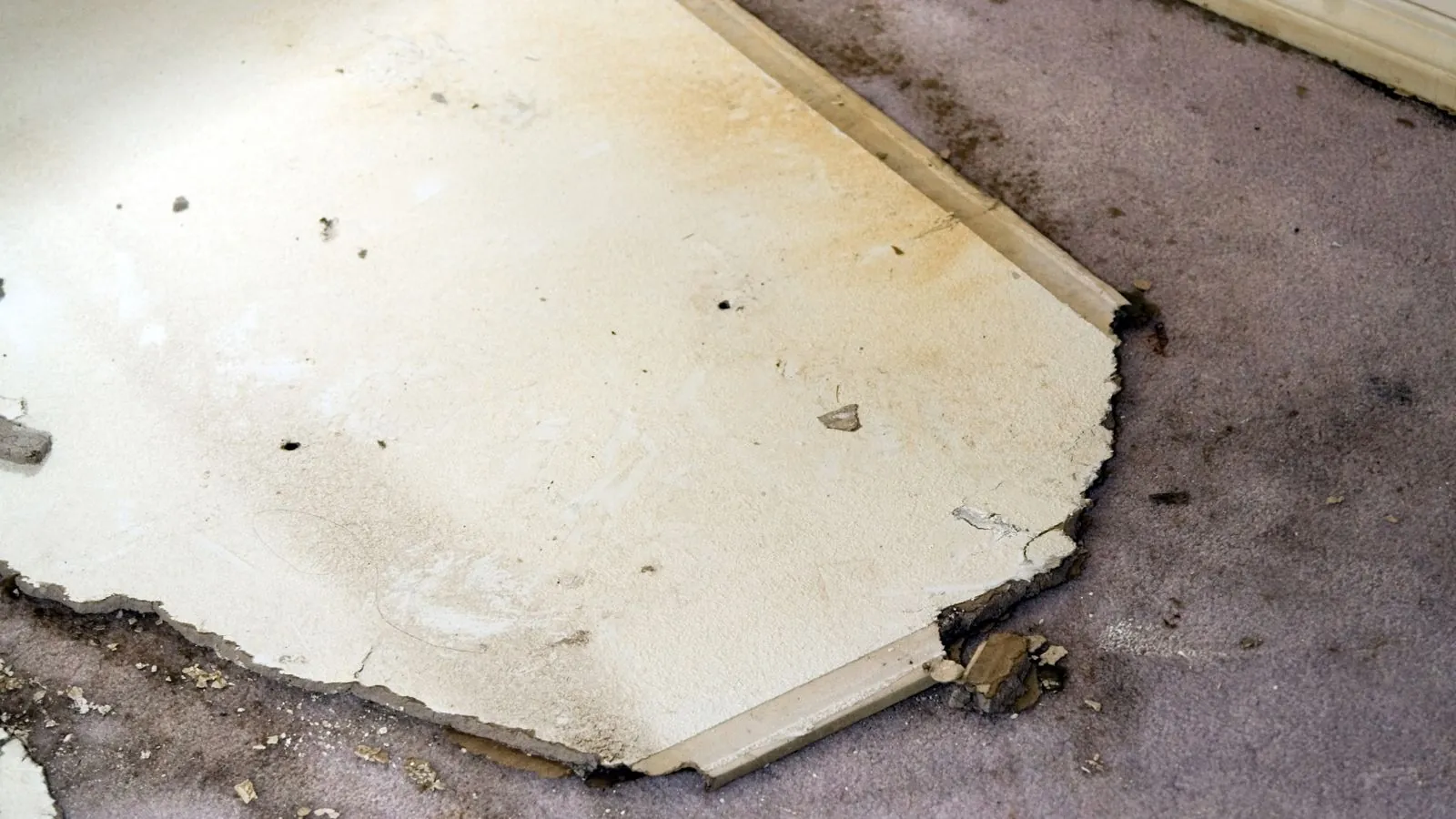
Water damage in a business is an emergency because downtime costs money and wet inventory gets worse by the hour. If a pipe, roof or sprinkler line has released water in your Lakewood property, call (216) 541-8541. The line is open 24/7, and the first steps are to close the main valve, protect electronics and photograph the loss.
Commercial loss differs from a house in size, in the number of people involved and in the paperwork. This page covers offices, retail, restaurants, small industrial space and multi-tenant buildings. A home loss is covered on the water extraction page and a house flood on flood damage cleanup.
Commercial water emergency: first steps
- Shut off the water at the main or the zone valve. In a multi-tenant building, tell the property manager.
- Turn off power to wet areas only from a dry spot and move computers, files and stock off the floor.
- Photograph and video everything before it is moved, including inventory and equipment.
- Contact your property manager and insurer, and note who you spoke with and when.
- Call the restoration line so drying can start before materials are lost.
What makes commercial jobs different
Business losses involve more finishes and more stakeholders: a landlord, tenants below, a property manager and an insurer, sometimes a lender. Ceiling tile systems, commercial carpet, glued flooring, drywall partitions and storefront glass all respond differently. Fire sprinkler and HVAC lines are common sources.
A restoration plan balances speed with the business's needs. Some jobs are done in phases so part of the space stays open, and some need after-hours work to avoid disturbing customers or neighbors.
Business losing money to a leak? Call and we will walk through the plan.
☎ (216) 541-8541Where Lakewood businesses are exposed
Lakewood has storefronts and offices in Downtown Lakewood and along Clifton Boulevard, plus the Arts District around the Beck Center for the Arts and the Birdtown area. Many of these are older multi-story buildings with shared walls and apartments above shops. Water from an upstairs unit can enter a ground-floor business through the ceiling. Check the lease for who handles what, and tell the owner immediately.
The restoration process
Crews extract water, remove wet ceiling tile and carpet where needed and measure moisture in walls and floors. Equipment is sized to the space, and often includes multiple dehumidifiers and ducted air movers. Moisture maps and daily readings are logged, because the documentation supports your insurer and landlord.
Contents are protected or moved, and wet inventory is separated and photographed. Mold prevention is a priority because commercial buildings often close up the space again quickly.
Documentation and downtime
Keep an inventory with photos, receipts and notes on lost business days. Business interruption coverage and property coverage are separate, so ask your insurer what applies. A restoration company can provide a scope of work and photos, while coverage decisions stay with your insurer.
Cost factors for commercial water damage
| Factor | Effect |
|---|---|
| Square footage | More space needs more equipment and labor. |
| Building materials | Ceiling tile, glued flooring and partitions differ. |
| After-hours work | Night work to protect business hours changes the schedule. |
| Contents and inventory | Moving and protecting stock adds time. |
| Phasing | Working around occupied space extends the project. |
To have scope and price explained before work starts, call (216) 541-8541. If a leak came from a supply line, see burst pipe water damage, and for drying details see structural drying.
Before the crew arrives
- Shut off water to the affected area and tell your property manager.
- Switch off power to wet areas only from a dry spot.
- Move records and inventory off wet floors and photograph them first.
- Commercial drying practice follows the published ANSI/IICRC S500 standard.
Shops and offices along Detroit Avenue are covered on our page for Downtown Lakewood.
Questions about commercial water damage in Lakewood
What should a business do first after a water loss?
Shut off the water, protect electronics and records, photograph the damage and call your property manager and insurer. Then call a restoration crew so drying starts quickly.
Can work happen at night?
Yes. After-hours scheduling is common for commercial jobs so customers and tenants are less disturbed.
Who pays, the landlord or the tenant?
That depends on the lease and the cause. Document the source and talk to your landlord and your insurer.
Will my business have to close?
Not always. Phased work can keep part of a space open, but it depends on the damage and the safety of the area.
Do you handle commercial water damage emergencies at night or on weekends in Lakewood?
Yes. Commercial emergencies often hit overnight or on weekends, so the line at (216) 541-8541 is answered 24/7. Same-day response is offered when crews are available, and the call is the fastest way to plan around your business hours.