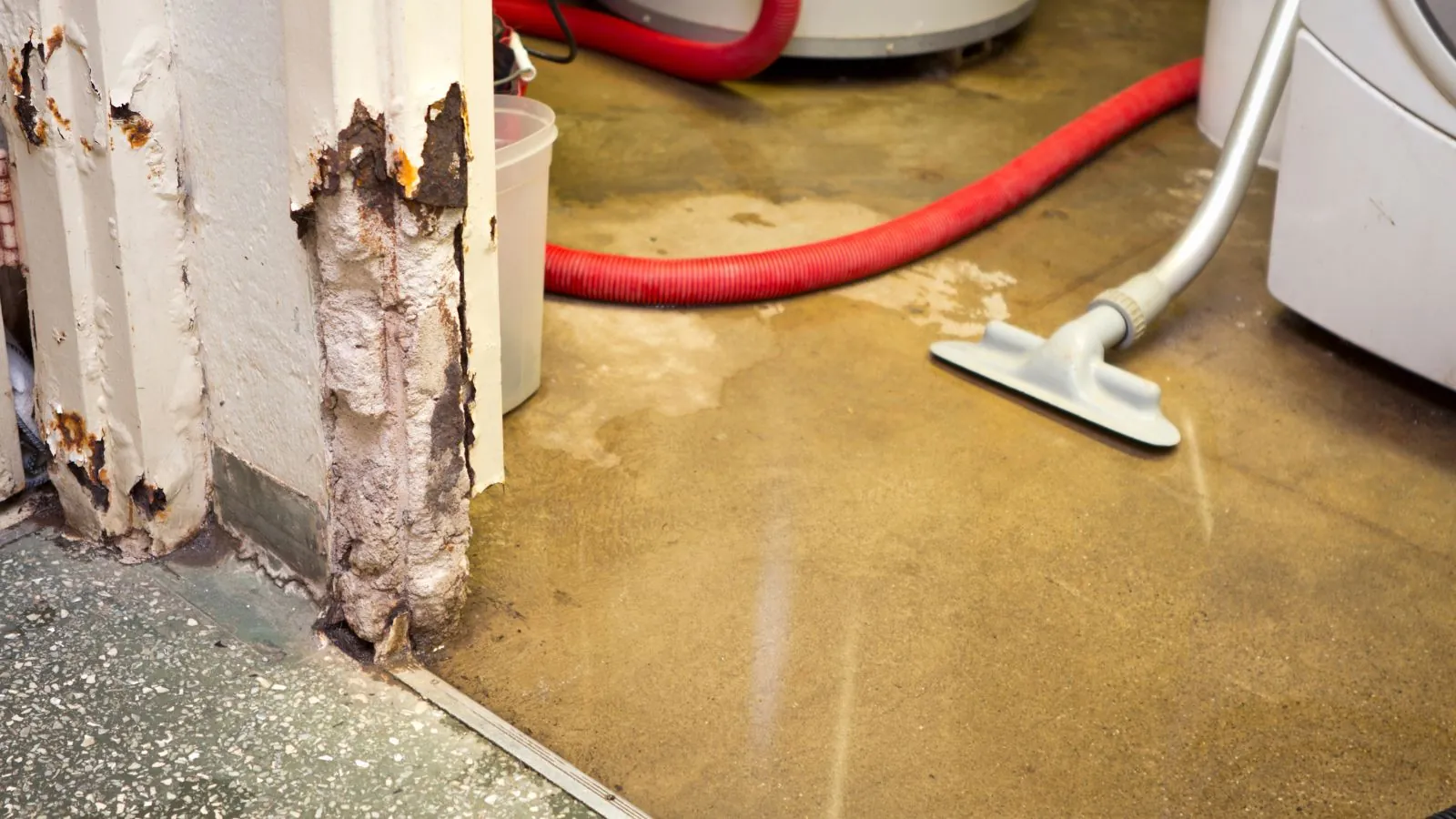
Flood damage is a different problem from a leak. The water comes from outside the plumbing, from heavy rain, rising groundwater, overflowing storm sewers or lake and river water, and it is usually carrying soil and bacteria. If water is entering your Lakewood home now, call (216) 541-8541. The line is open 24/7, so call before the water recedes and while you keep people and pets out of it.
Flood water is classed as Category 2 or 3 in industry terms, which changes what can be saved. Porous materials that soaked it up, like carpet and pad, are normally removed instead of cleaned. Plumbing leaks and appliance failures with clean water are covered on other pages, starting with water extraction.
When flood water is an emergency
Any water that came in from outside is an emergency, and so is any water that reached outlets, a furnace, a water heater burner or the electrical panel. Do not wade through it if you can avoid it. If you must, wear waterproof boots and gloves, and keep the water away from your eyes and mouth. Never operate electrical equipment while standing in water.
Call the right people first
If water touches electrical equipment or you smell gas, leave and call the utility or 911 before you call a restoration company. A gas or electrical hazard always comes first.
How flood cleanup differs from other water loss
The crew assumes contamination and works with gloves, boots and respirators when the water is Category 3. Standing water is pumped out, then floors and lower walls are cleaned and disinfected. Carpet, pad, insulation, fiberboard and low drywall that wicked flood water are commonly removed and bagged.
Hard materials such as concrete, tile and sealed wood can often be cleaned and dried. Furniture and stored contents are sorted into what can be cleaned, what must be discarded and what a specialist should see. The category of water, not how bad it looks, decides the plan.
Lakewood flood exposure and local checks
Lakewood sits on Lake Erie, and the Rocky River Reservation follows the western edge of the city. The city's own sewer history page includes a photograph of spring flooding on Belle Avenue in 1913, a reminder that water problems here are not new. Flood exposure differs street by street, so look up your address in the FEMA Flood Map Service Center and ask the Lakewood building department about drainage and permit rules for repairs.
Heavy rain can also overload the sewer system. The city notes that groundwater and stormwater entering aging pipes use up capacity and can cause basement flooding when the sanitary system overloads. If water is coming up through a floor drain, treat it as sewage and read about sewage backup cleanup.
Flooded and not sure where to start? Describe what you see and we will sort the order of work.
☎ (216) 541-8541Flood coverage and your policy
Flood damage is usually excluded from standard homeowners policies and needs separate flood coverage, so check your policy or ask your insurer which kind of water your loss falls under. Sewer and drain backup is often a separate endorsement. Photograph everything before cleanup, keep receipts and save samples of damaged materials until an adjuster has seen them.
What affects the cost of flood cleanup
| Factor | Effect |
|---|---|
| Water category | Category 3 water means more removal, protective gear and disposal. |
| Depth and duration | Longer contact soaks into more materials. |
| Square footage | Cleaning and drying scale with the area affected. |
| Finished space | A finished basement holds more material to remove than an open one. |
| Rebuild scope | Replacing flooring, drywall and trim is separate from cleanup. |
For a figure that fits your loss, call (216) 541-8541. The scope and price are explained before work starts. Basements get the most flood calls, and the basement cleanup page covers sump failures and finished-space contents. Storm-driven water through the roof or walls is a separate case on the storm water damage page.
Homes near the river valley, including parts of the West End, sit closer to a mapped floodplain than most of the city.
Questions about flood damage cleanup in Lakewood
Can flood-soaked carpet be saved?
Rarely. Carpet and pad that soaked flood water are usually removed because they hold contaminants that cleaning cannot fully reach. Hard floors are more often saved.
Is it safe to stay in the house after a flood?
Not while there is standing water, damaged electrical service or a gas concern. Leave if you are unsure, and have the utility check the service before you return.
What is the difference between flood damage and a plumbing leak?
A plumbing leak usually starts as clean water. Flood water comes from outside, carries soil and bacteria and is treated as contaminated, which changes what is removed.
How soon should cleanup start after a flood?
As soon as it is safe. Contaminated water left in place spreads odor and microbes into porous materials, and mold can start within a couple of days.
Do you handle flood damage cleanup emergencies at night or on weekends in Lakewood?
Yes. Storms and sewer overloads do not keep office hours, so the line is answered 24/7. Call (216) 541-8541, tell us about the water and whether power is on, and crews are sent the same day when they are available.