The first 24 to 72 hours after water damage
What happens in the first three days decides how large the repair is. Water spreads into drywall, flooring and framing within hours, and mold can begin within a couple of days if materials stay wet. Emergency water removal and drying aim to beat that clock.
Water damage timeline for a typical loss| When | What matters | Typical action |
|---|
| First hour | Stopping the source and staying safe | Close the valve, cut power from a dry spot, photograph, call the 24/7 line. |
| First day | Removing standing water and wet contents | Extraction, moisture mapping, removal of materials that cannot dry. |
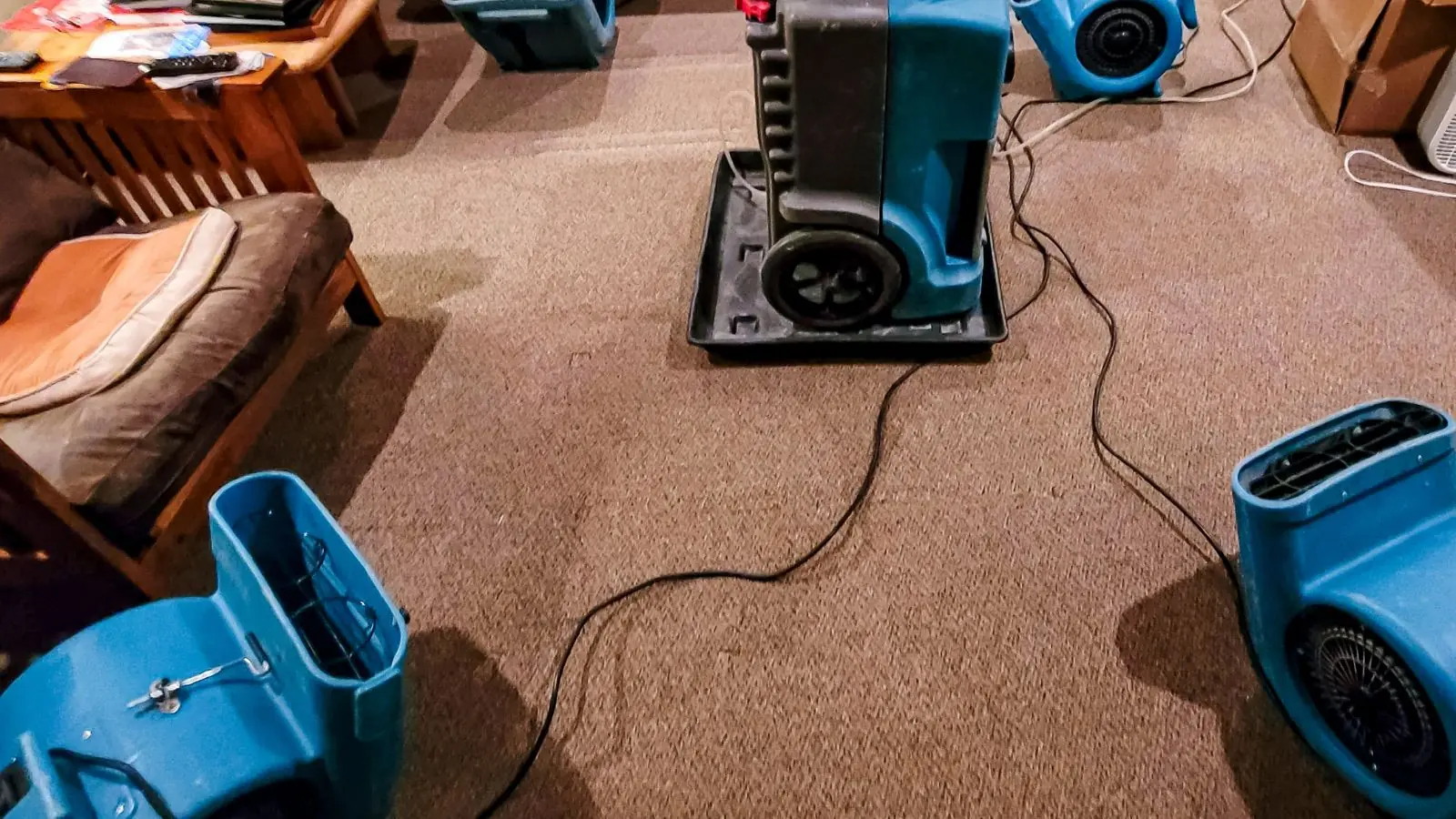
| Days two to four | Drying the structure | Air movers and dehumidifiers run, and moisture readings are checked. |
| After drying | Repair and rebuild | Replace drywall, flooring and trim, then paint. |
A crew can see more than you can. Structural drying and dehumidification depends on measuring, and the readings are the proof that a house is dry. Water that came from a drain or a flood is contaminated, which changes the plan, as explained on the sewage backup page.
Not sure what you are looking at? Call and describe it. The line is open 24/7.
☎ (216) 541-8541Lakewood buildings and what they mean for water damage
Lakewood is a dense lakefront city of about 49,000 people. Census survey figures put the median home at around 1938, with a majority of structures holding more than one unit and more than half of households renting. Many have plaster walls, wood floors and full basements with a floor drain. Those details matter because water travels through plaster and under layered floors, and because a leak in one unit often reaches the unit below.
Neighborhoods like Birdtown, a National Register historic district, Clifton Park with its Victorian houses along the lake, Victorian Village and Rockport Square all have older housing. In those buildings a crew checks inside the walls and under the floor, because the surface usually shows less than the meter does. The Gold Coast high-rises along the lakefront have their own issues, such as a leak that runs down several floors and a building manager to call first.
The city owns and operates the water and sewer mains, about 110 miles of water mains and about 166 miles of storm and sanitary sewer mains, while owners are responsible for the pipes on private property. Lakewood contracts with the City of Cleveland for drinking water. Knowing which side the problem is on tells you whether to call a plumber, the city or both.