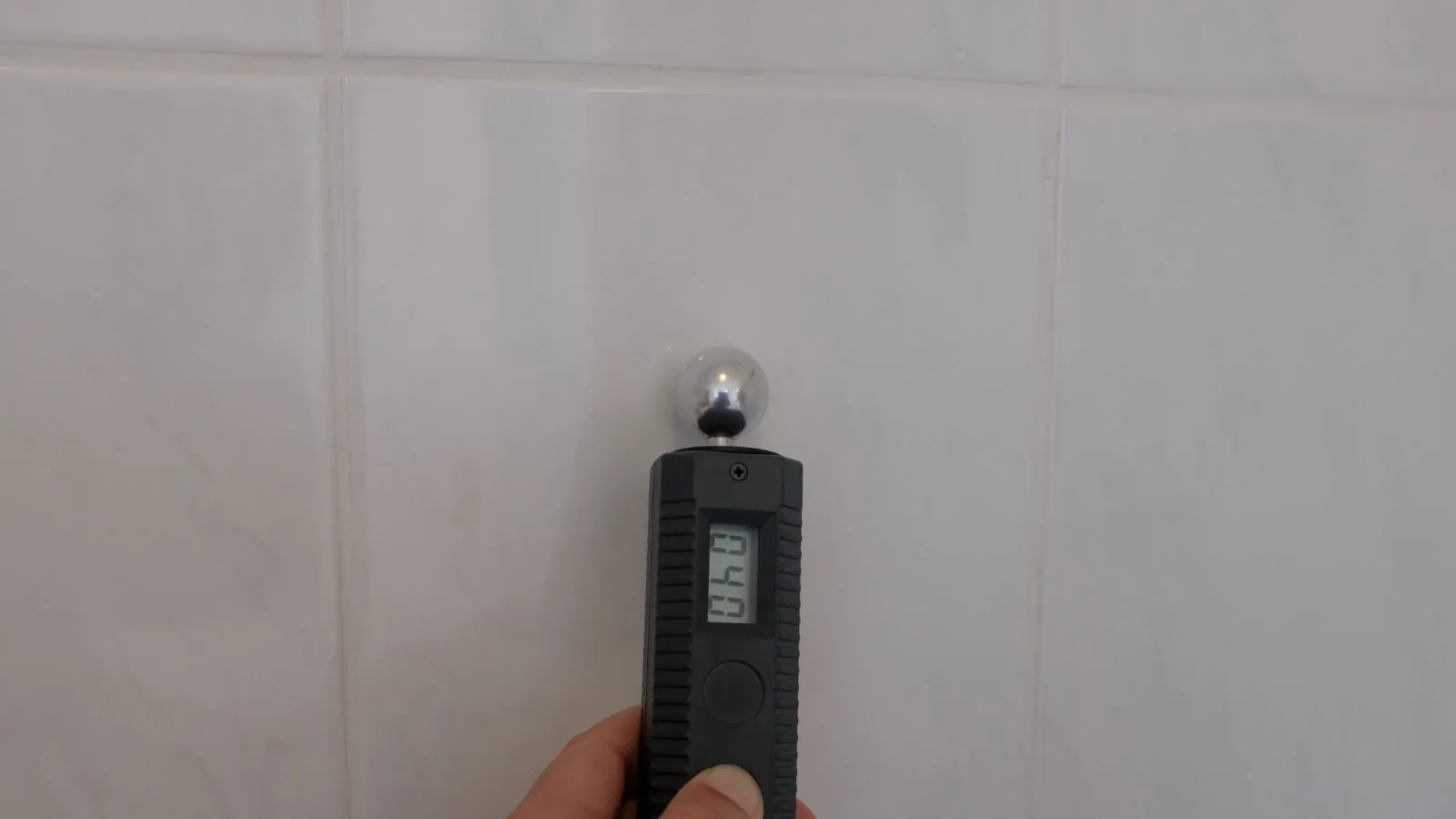
Structural drying is the process of removing moisture held inside floors, walls and framing after the standing water is gone. It uses air movers, dehumidifiers and moisture meters, and it is what keeps a wet house from developing mold. If your floor feels damp days after a leak or your baseboards still look dark, call (216) 541-8541 about drying in Lakewood.
This page covers drying. Removing the bulk of the water comes earlier, on the water extraction page. Many people hear the word mitigation here, and water mitigation means stopping further damage and drying what can be saved.
Floor still damp or walls still cold days after the leak?
Most homeowners search for symptoms rather than trade names: a carpet that stays damp, drywall that feels cool, a musty smell that returns. Those are signs that moisture is still in the materials. The fix is structural drying, which measures where moisture is and removes it with controlled airflow and dehumidification.
Water mitigation and the drying plan
A drying plan starts with moisture mapping. The crew uses a pin or pinless moisture meter and a thermal camera to measure the wet area and record readings in a sketch. Readings from unaffected material set a dry standard, and the goal is to bring wet material back to it.
The widely used standard for water damage restoration is ANSI/IICRC S500. You can ask any company you are considering whether its crews work to it and how drying goals are documented.
The equipment and what it does
| Equipment | What it does |
|---|---|
| Air movers | Push air across wet surfaces so water evaporates. Placement matters more than the number of fans. |
| Low grain refrigerant (LGR) dehumidifiers | Pull moisture out of the air so evaporation keeps going. |
| Desiccant dehumidifiers | Work in cold spaces and with very wet materials. |
| Injection drying systems | Push air into a wall cavity through small holes. |
| Moisture meters and thermal cameras | Show where moisture is and prove when it is gone. |
Want to know how long drying will take for your home? Call and describe the damage.
☎ (216) 541-8541How long does drying take
Most residential jobs run several days, and dense materials like hardwood, plaster and concrete take longer than carpet and drywall. Humid weather slows evaporation, so crews often add dehumidifiers or close windows to control the room. A crew checks readings on set visits and adjusts equipment between them.
Drying ends when the materials reach their goals, not on a calendar date. Ask to see the final readings.
Why Lakewood houses can be slow to dry
Older Lakewood houses, with a median build year near 1938 in Census survey data, often have plaster over lath, thick framing and layered flooring that hold water. They can also have closed basements with little airflow. A crew uses ducting and dehumidifiers to move air through spaces that would not dry on their own. Humid summer air slows evaporation, so open windows are not a drying plan.
Drying versus replacing
Clean water caught early often lets drywall and flooring be dried in place, while sewage-contaminated or long-soaked materials are removed. Wet insulation is almost always replaced. The crew can tell you what can be dried, and the cost of drying is often less than replacement. Ceilings in older houses show how far drying goes, which is covered on ceiling water damage repair.
Equipment rental and doing it yourself
Renting a few fans and a dehumidifier helps with small, clean spills, but guessing at placement and not measuring leaves moisture in the structure. Whether you rent or hire, a moisture meter reading is the only proof of dry. Our service is full restoration. We do not offer equipment rental.
What affects drying cost
| Factor | Effect |
|---|---|
| Area wet | More square feet means more equipment. |
| Material density | Plaster, hardwood and concrete dry slowly. |
| Water category | Contaminated water adds removal steps. |
| Days of drying | Longer drying means more equipment days. |
| Monitoring | Visits and documentation are part of the job. |
For a figure on your own loss, call (216) 541-8541 and the scope and price are explained first. Flooring cases continue with carpet restoration and hardwood floor repair.
Questions about structural drying in Lakewood
How do I know if my house is dry?
Only measurement tells you. A moisture meter reading at or near the dry reference for each material, taken after the equipment has run, is the proof. Appearance and touch are unreliable.
Can I dry a wet room with a fan?
A fan helps with a small clean spill, but without a dehumidifier the moist air just moves around. Walls and subfloors need measurement.
Why does the equipment run so long?
Water leaves dense materials slowly. Stopping early leaves moisture in the framing, which is where mold starts.
Is a dehumidifier from a hardware store enough?
For a damp basement it can help. After a real water loss, commercial LGR units remove far more water per day, which shortens the job.