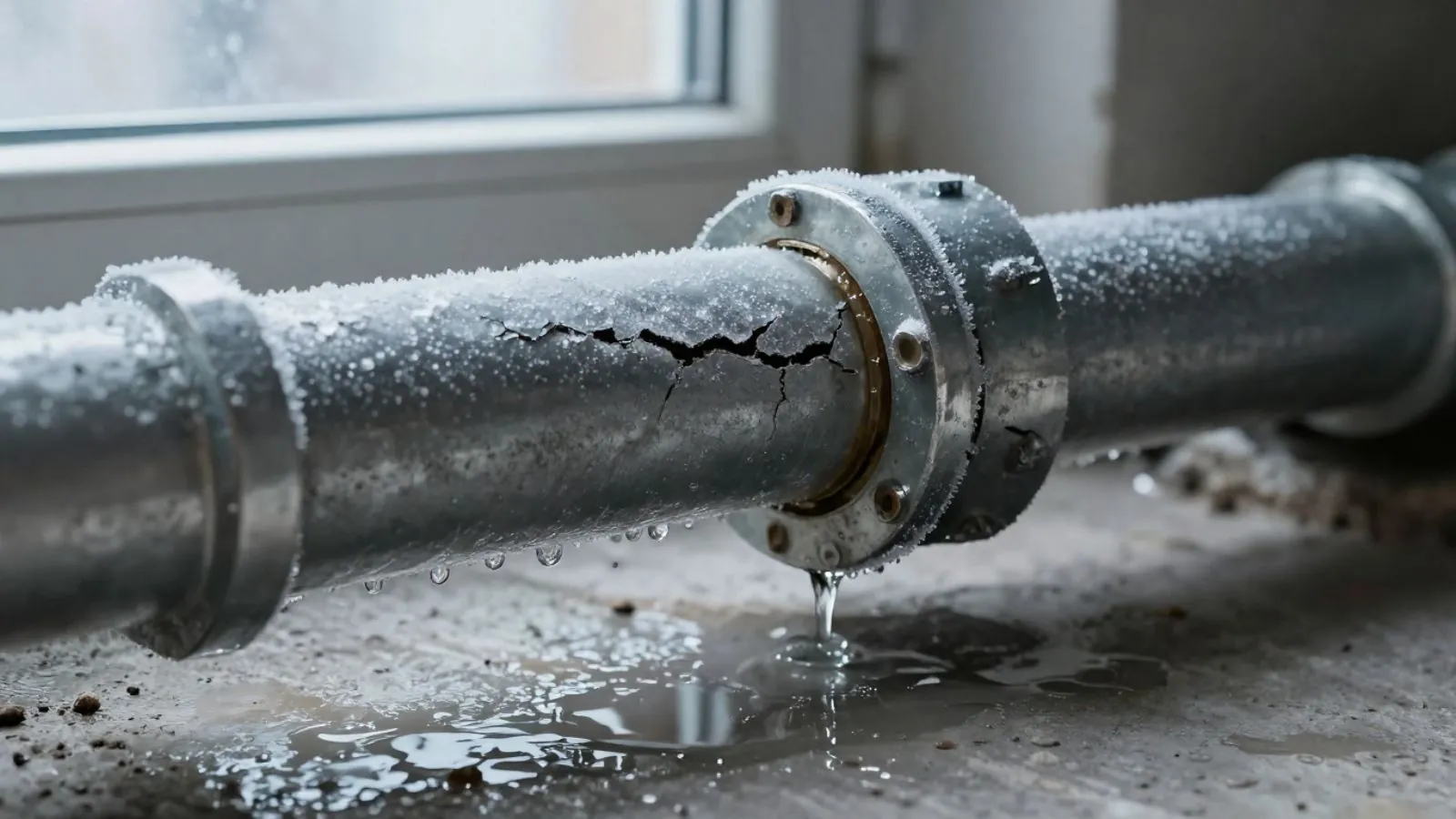
A small leak that runs for a weekend is a nuisance. The same leak running for two weeks while nobody is home can ruin floors, walls and the ceiling below. Insurers also pay close attention to claims for damage in an unoccupied home. This guide is a checklist for a trip, a winter away or a vacant unit, built around the failures that cause most surprise losses.
Before you leave: the quick list
- Shut off the main water valve if you will be gone more than a few days, and open a faucet to drain the lines.
- Turn the water heater to vacation mode or off, depending on the manual.
- Check under sinks, behind toilets and around the washer for drips, and fix them first.
- Inspect washer hoses, dishwasher lines and ice maker lines. Replace any that are bulging, cracked or old.
- Leave the heat on in cold months, at a safe minimum, so pipes do not freeze.
- Clear gutters and check that downspouts direct water away from the foundation.
The main valve is the single best protection, because it stops the pressure that makes a failed fitting dangerous. Learn where yours is and test that it turns before you need it.
What fails most often
| Failure | Why it happens | Prevention |
|---|---|---|
| Washer hose | Rubber ages and bursts under pressure | Replace old hoses and shut off the valves when away |
| Frozen pipe | Heat off or cold air on exposed pipe | Keep heat on and open cabinet doors on cold nights |
| Water heater | Tank corrodes or valve fails | Check the base for rust and pooling, and flush on schedule |
| Toilet supply line | Plastic or braided line ages | Replace old lines and shut off the stop valve |
| Sump pump or drain | Power loss or clog | Test the pump and keep the drain clear |
| Roof or window | Storm damage | Inspect before the season |
Winter-specific steps
- Keep the thermostat at a safe minimum, not off.
- Open cabinet doors under sinks on exterior walls during cold snaps.
- Disconnect outdoor hoses and shut off exterior spigots.
- Ask a neighbor or friend to check the house if the weather turns very cold.
If a pipe does freeze and break while you are away, the damage grows with every hour. The page on frozen pipe water damage explains what happens and what to do.
Water found when you returned? Call the 24/7 line right away.
☎ (216) 541-8541Get eyes on the house
A trusted person who can look in every few days is a good safeguard. Give them instructions on where the main valve is, who to call and what to do if they see water. If your home has leak sensors, test the batteries and make sure alerts go to a phone you will see. A sensor under the water heater, the washer and the kitchen sink costs little and can save a lot.
Vacant units and rentals
If you manage or own a vacant unit, the stakes are higher because nobody notices a problem. Shut off water to unused units, keep heat at a safe minimum in winter and inspect on a schedule. Check your policy for clauses about vacancy, because coverage can change when a property is unoccupied for a stated period.
A simple monthly habit
Prevention works best as a routine and not a project. Once a month, look under every sink, behind each toilet and around the water heater. Run a hand along the washer hoses. Look at the ceiling below bathrooms. It takes ten minutes, and it catches the slow problems that turn into losses.
In spring and fall, walk the outside of the house. Look at gutters, downspouts, the grade near the foundation and the condition of the roof edge. Water that is directed away from the building is the best protection for the basement.
What to leave for the person checking in
- A note with the location of the main water shutoff.
- Phone numbers for your plumber, your insurer and a restoration crew.
- Instructions on what to do if they find water.
- A key and permission to enter, in writing if you are renting.
Lakewood note: floor drains and double-house basements
The City of Lakewood advises that floor drain traps dry out and let sewer odor into the basement, and that pouring a small bucket of water into each floor drain about once a week keeps the trap sealed. If you are leaving for weeks, the trap will dry out, so do this before you go and ask someone to repeat it if you will be away longer.
Many Lakewood houses are doubles. If you rent out one unit, check what happens to water use and heat in the other when it sits empty.
Source type: City of Lakewood water and wastewater collection page (lakewoodoh.gov) and U.S. Census survey figures on housing.
If you return to a wet floor, the emergency water extraction page explains the first response. The same checklist helps in Bay Village, where lakefront storms and seasonal homes add their own risks, and in Cleveland.
Questions homeowners ask
Should I shut off the water when I go on vacation?
For more than a few days, yes. It stops the pressure that drives a leak and is the most reliable protection.
Is it safe to turn the heat off while away in winter?
Not in cold months. Pipes can freeze. Keep the heat on at a safe minimum.
Do leak sensors help?
They can give early warning if alerts reach someone who will act. Place them under the water heater, washer and sinks.
What does a floor drain have to do with water damage?
A dry trap lets sewer odor in, and a backup can bring water. A weekly bucket of water keeps the trap sealed, as the City of Lakewood advises.
Does insurance change if the house is empty?
It can. Policies may limit coverage for vacant homes. Ask your agent before a long absence.