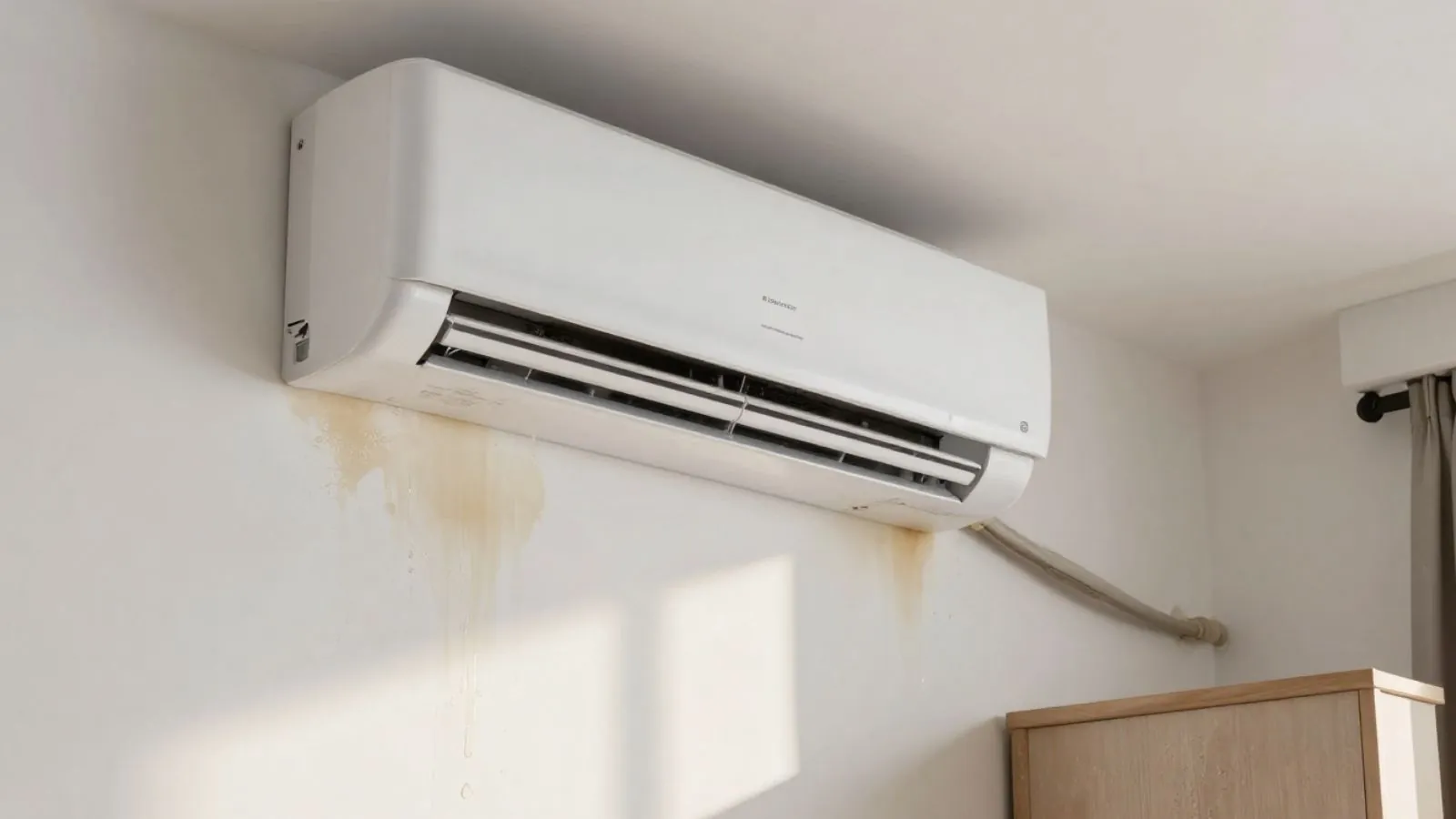
Homeowners use the words mold and mildew as if they meant the same thing, and in everyday talk they nearly do. Technically, mildew is a kind of mold, and the term is usually used for flat, powdery growth on surfaces. The practical question is not the name. It is how much growth there is, what it is growing on and why the area is damp.
This guide helps Lakewood homeowners sort what they are seeing and decide on the next step.
How they usually look
| Feature | Mildew (surface growth) | Mold (deeper growth) |
|---|---|---|
| Texture | Flat, powdery or downy | Fuzzy, slimy or raised |
| Color | White, gray or yellow, sometimes darkening | Green, black, blue, brown or orange |
| Where | Shower walls, window sills, fabrics, leather | Drywall, wood, carpet, insulation, ceiling tiles |
| Depth | Sits on the surface and wipes off | Grows into the material |
| Typical cause | Humidity and poor ventilation | Water intrusion or long-term dampness |
These are rules of thumb. Color is a poor guide, because many molds change color as they age. The only reliable way to know what a growth is would be lab identification, and for a home cleanup that is rarely needed. The U.S. Environmental Protection Agency says that if you can see mold, sampling is generally not necessary, and what matters is removing it and fixing the moisture.
What they have in common
Both need moisture, and both are a sign that part of the house stays damp. A bathroom that never fully dries, a window that drips with condensation or a basement wall that seeps will grow something sooner or later. Removing the growth without changing the conditions simply restarts the clock.
EPA's guidance is that the key to controlling mold indoors is controlling moisture, and that wet materials should be dried within 24 to 48 hours.
Surface growth you can usually handle
- Light growth on a tile grout line, a sill or a shower curtain.
- A small patch on a hard surface after a minor spill that was dried quickly.
- Powdery film on a stored item that was kept in a damp spot.
For these, scrubbing with detergent and water and drying completely is the usual advice. Fix the cause, which may be a bath fan that does not vent, a window that needs a seal or a closet that needs airflow.
Not sure which one you have? Call and describe the surface and the size.
☎ (216) 541-8541Growth that calls for more
If the growth is on drywall, wood framing, carpet or insulation, it has probably gone beyond the surface. Porous materials are usually removed. If you can smell mold but cannot see it, there may be a hidden leak behind a wall or under a floor, and a moisture meter and thermal camera can find it.
Spots that return after cleaning are another signal. They usually mean the moisture source is still active, and the answer is to find it, not to scrub again. The mold remediation page explains how a crew approaches larger growth.
Common mistakes
- Mixing cleaning products. Bleach and ammonia release dangerous fumes together.
- Painting over the growth, which EPA advises against.
- Spraying without scrubbing, which leaves the dead growth in place.
- Cleaning and ignoring the humidity, which brings the growth back.
- Using a fan across the spot, which can send spores through the home.
If anyone in the home has health concerns related to mold, talk with a physician. A restoration company can address the building but cannot advise on symptoms.
How to prevent both
- Run bathroom fans during and for some time after showers, and make sure they vent outside.
- Fix leaks and condensation problems quickly.
- Keep air moving in closets and along exterior walls.
- Use a dehumidifier in a damp basement and empty it regularly.
- Wipe down shower walls and windowsills when you see moisture.
Lakewood note: bathrooms, windows and winter
The typical Lakewood house dates to about 1938 in Census survey data, and much of the housing is older multi-unit buildings. Older windows and bathrooms without exterior vents are common sources of condensation, and winter makes it worse when windows are cold and the house is closed up.
Because more than half of Lakewood households rent, the first step in a rental is to report persistent damp or growth to the landlord in writing, with dated photos, so the cause can be fixed.
Source type: U.S. Census Bureau American Community Survey housing figures and U.S. EPA mold guidance.
When water is the real cause
If the growth followed a leak, a flood or a roof problem, the cleanup starts with the water. See structural drying and dehumidification for how the space is dried, or wall and drywall repair for what happens to wet walls. We also serve Cleveland and Brook Park.
Questions homeowners ask
Is mildew the same as mold?
Mildew is a type of mold, usually used for flat surface growth. The practical response is the same: remove it and fix the moisture.
Can I tell mold type by color?
No. Color is unreliable, and EPA says sampling is generally unnecessary when growth is visible.
Will bleach kill mold on drywall?
Bleach does not reach into porous material and EPA does not recommend biocides as routine. Wet or moldy drywall is usually cut out and replaced.
Why does it keep coming back?
The moisture source is probably still active. Find the leak, condensation or seepage before cleaning again.
What humidity is a problem in a Lakewood home?
Persistent damp surfaces and visible condensation are the signs to act on. A hygrometer and a dehumidifier help keep a basement from staying damp.