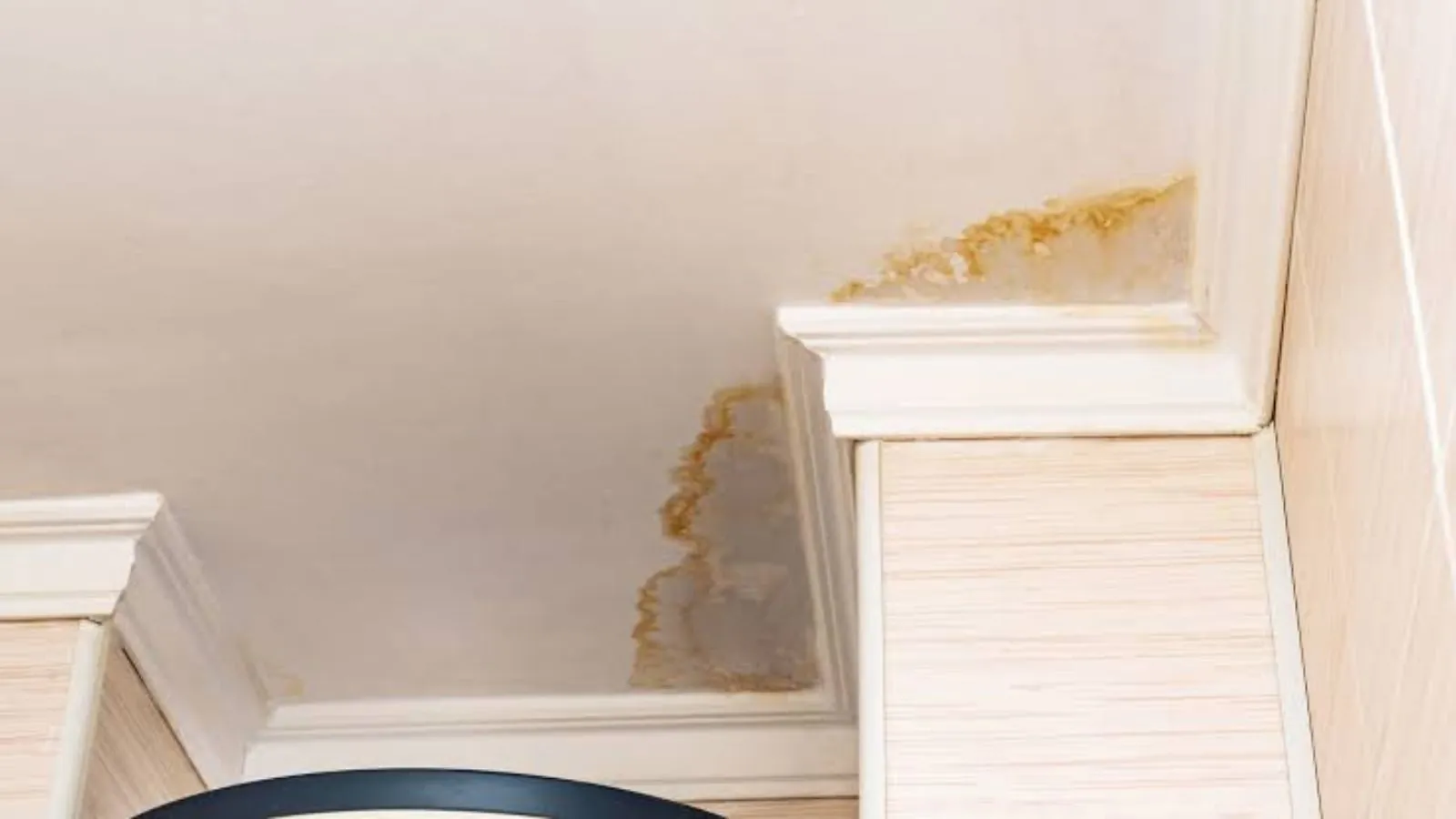
Sometimes a mold finding turns into a sale problem. A buyer's inspector notes growth, or a lender asks for proof that it has been removed before it will fund the loan. The usual answer is a clearance test after remediation. This guide explains what a clearance test is, who should do it and how to avoid common mix-ups for Lakewood sellers and buyers.
What clearance testing is
Clearance testing, sometimes called post-remediation verification, is an assessment after mold work to confirm the area is clean. It usually includes a visual inspection and may include air or surface samples, with results written up in a report. The U.S. EPA says sampling is generally not needed to decide whether to clean visible mold, but that surface sampling can help confirm an area was cleaned, and that it should be done by experienced professionals.
Who should do it
Whenever possible, an independent person who is not doing the remediation should do the testing. That avoids a conflict of interest, and it gives a buyer or lender a neutral document. Ask any tester about their method and how results are reported, and ask what standard they follow.
| Step | Who | What happens |
|---|---|---|
| Initial inspection | Remediation crew or independent assessor | Find the moisture source and the extent of growth. |
| Remediation | Restoration crew | Containment, removal, cleaning and drying following the S520 standard. |
| Clearance | Independent tester | Visual check and any sampling, with a written report. |
| Paperwork | You, your agent, the lender | Share the report with the buyer or lender. |
Need mold removed before a sale? Call to talk through the timeline.
☎ (216) 541-8541What clearance does not do
- It does not promise mold will never return. New moisture can bring it back.
- It does not guarantee a lender will accept it. Each lender sets its own requirements.
- It does not replace fixing the moisture source.
- It does not replace a physician's advice on health questions.
Ask the lender or your agent what documents they require before you spend money on testing. Requirements differ between lenders and loan types.
Timing a sale around remediation
Remediation of a small area can be quick, while larger jobs and drying take longer. Drying must be confirmed before clearance, and the report adds a few days. Build in time for the moisture source to be fixed, the work, the test and the report. Rushing the sequence is how problems get missed.
The work itself is described on the mold remediation page.
What a clearance report usually contains
- A description of the area that was remediated and the methods used.
- Visual findings, with photographs.
- Moisture readings showing the materials are dry.
- Any air or surface sample results, with the lab's report.
- A statement of whether the area meets the criteria the tester used.
Criteria differ from one tester to another, and there is no single number that applies to every home. Ask what the tester compares against, such as outdoor air or an unaffected room, and how they decide that a result is acceptable.
Disclosure and paperwork
Sellers often ask what they have to tell buyers. That is a question for your real estate agent or an attorney, since rules depend on the transaction. In practice, keep the inspection report, the remediation scope, the moisture readings, the clearance report and the repair receipts together in one folder. A buyer who sees a complete record is usually more comfortable than one who sees a gap.
Common mix-ups
- Treating a clearance test as a replacement for a home inspection. They answer different questions.
- Hiring the same company to remediate and to certify the result without asking about the conflict.
- Testing before the area is fully dry, which wastes the test.
- Assuming the buyer's lender will accept any report. Ask first.
- Skipping the moisture fix and expecting a clean result to last.
A short call to the lender or the agent before the work begins can save a second round of testing. Write down who said what, and keep the emails with the report.
Lakewood note: older homes and point-of-sale conversations
With a typical build year near 1938 in Census survey data, many sellers are dealing with older basements, plaster walls and past leaks. Inspectors tend to look hard at those areas.
Rules for repairs and permits vary, so ask the City of Lakewood building department what applies to your property before you open walls or rebuild. We do not quote permit rules from memory.
Source type: U.S. Census Bureau American Community Survey housing figures, U.S. EPA mold guidance and the city building department as the authority to ask.
Buyers and sellers near Lakewood often ask the same questions in Bay Village and Cleveland. If the mold followed a leak, the basement cleanup page covers drying the lower level.
Questions homeowners ask
What is a mold clearance test?
An assessment after remediation that confirms the area is clean, usually with a visual inspection and sometimes samples, documented in a report.
Can the remediation company do the testing?
It can, but an independent tester avoids a conflict of interest and gives a more neutral report, which buyers and lenders often prefer.
Will a clearance report satisfy my lender?
No one can promise that. Ask the lender what they accept before you pay for testing.
Does a clean report mean mold cannot come back?
No. New moisture can bring it back, which is why the source must be fixed and the space kept dry.
Do I need a permit for remediation work in Lakewood?
It depends on the work. Ask the City of Lakewood building department, because rules vary.