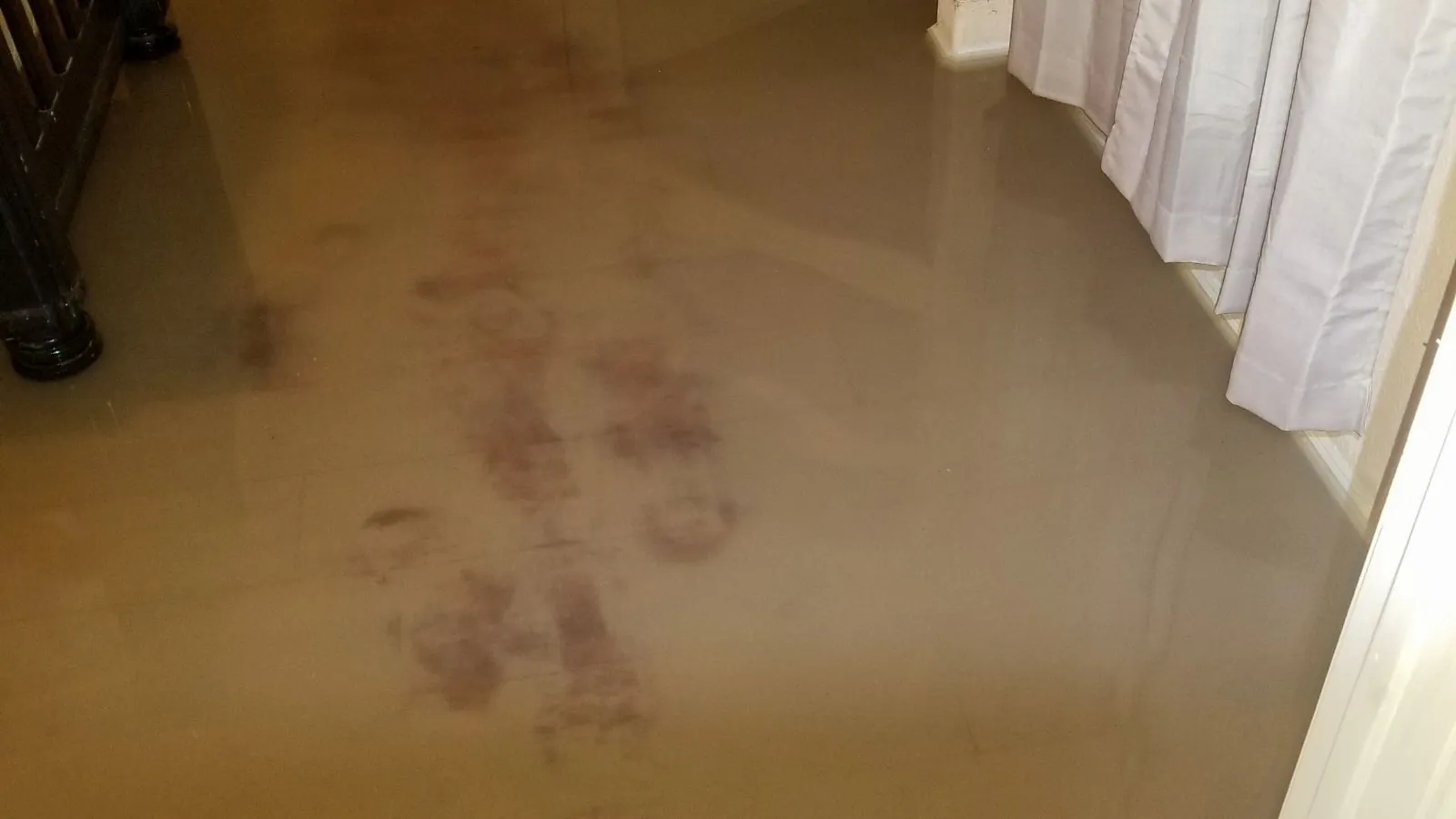
If you have a small patch of mold on a hard surface in your basement, a careful cleanup is something many homeowners can do. If it is large, wet, in porous material or after sewage, it is a job for a professional. This guide gives the steps for the small case and the signs that mean you should stop. It follows U.S. EPA guidance, which says scrub hard surfaces with detergent and water and dry them completely.
Before you start: check these four things
- Is the patch smaller than about 10 square feet?
- Is it on a hard surface such as concrete, tile, sealed wood or metal?
- Did the water come from clean water, not sewage or flood water?
- Is anyone in the home sensitive to dust or cleaning products? If you have health concerns, speak with a physician before you start.
If the answer to any of the first three is no, skip to the section on when to stop. Your basement may be a job for a crew, and the mold remediation page describes how it works.
Gear and setup
- Wear a properly fitted respirator rated for fine particles, gloves and eye protection.
- Open a window or use a fan that exhausts outdoors if you can, and keep the fan from blowing across the moldy surface into the house.
- Cover the floor with plastic, and close off the area from the rest of the house if you can.
- Fix the water source first, or the cleaning is wasted.
The cleaning steps
- Mist the surface lightly with water to keep dust down.
- Scrub with detergent and water using a stiff brush or sponge.
- Wipe the surface with a clean damp cloth, and then dry it completely with towels and a fan.
- Bag the cloths and sponges in plastic and take them outside.
- Use a HEPA vacuum on the area once dry, if you have one.
Dead mold can still cause reactions in some people, so the aim is to remove it and not just kill it. That is why scrubbing matters more than a spray.
Not sure the patch is small enough to handle yourself? Call and describe it.
☎ (216) 541-8541What to throw away
Porous materials such as carpet, ceiling tile, fiberboard and insulation that are visibly moldy are usually discarded, because the growth goes deep. Bag them before moving them through the house. Cardboard boxes that held wet items should go too.
When to stop and call a professional
| Sign | Why it matters |
|---|---|
| More than about 10 square feet | EPA guidance treats larger areas differently. |
| Growth keeps returning | A moisture source is still active. |
| Sewage or flood water involved | Contaminated water needs professional handling. |
| Growth inside walls or on framing | You need moisture mapping and possibly opening the wall. |
| Musty smell with no visible growth | There may be hidden wet material. |
Keep it from coming back
- Fix leaks and keep gutters and downspouts directing water away from the walls.
- Dry wet items within a day or two, since EPA says drying within 24 to 48 hours usually prevents growth.
- Keep humidity under control with a dehumidifier.
- Do not paint or caulk over mold.
Common DIY mistakes
The most common mistake is cleaning without checking whether the surface is still wet. A scrubbed wall that stays damp will grow again within days. Use a moisture meter if you can borrow or buy one, or watch for condensation and cool spots on the wall.
The second is mixing cleaners. Bleach and ammonia together release dangerous fumes, and some cleaners react with each other in ways that irritate the lungs. Use one product at a time, ventilate and rinse between products.
How long to wait before judging the result
After cleaning and drying, check the area again after a few days and then after a few weeks. A clean surface that stays clean through a humid spell or a rainy week is a good sign. If growth returns, there is still a moisture source, and it is time to look for a leak, a seep or a condensation problem.
Keep a simple log with dates and photos. It helps you spot patterns, such as growth that appears after every heavy rain, and it helps a professional later if you decide to call one.
Lakewood note: shared walls and rented basements
Census survey figures show that most Lakewood housing structures hold more than one unit and more than half of households rent. If the basement is shared or belongs to your landlord, report mold in writing and ask who is responsible before you clean anything yourself.
Take dated photos. If water is coming from the building's plumbing, repairs are the owner's responsibility under normal arrangements, and your lease and local rules set the details.
Source type: U.S. Census Bureau survey figures and U.S. EPA mold cleanup guidance.
If the mold followed a flood or a leak, the flood damage page explains the water side. For help beyond Lakewood, see our pages for Cleveland and Bay Village.
Questions homeowners ask
What do I use to clean mold?
EPA guidance says to scrub hard surfaces with detergent and water and dry them completely. Bleach is not recommended as routine, and it does not fix moisture.
How do I know if it is mold?
Fuzzy, slimy or discolored growth, often with a musty smell, near a source of moisture is the usual sign. A moisture meter and inspection confirm the cause.
Do I need to wear a mask?
Wear a respirator rated for fine particles, plus gloves and eye protection. A thin dust mask is not enough.
Can I paint over cleaned mold?
Only after the area is clean and completely dry, and never over active growth.
Is my Lakewood basement more likely to have mold?
Older foundations and finished walls can hold moisture, and a dry floor drain can cause odors that seem like mold. Check the drain first.