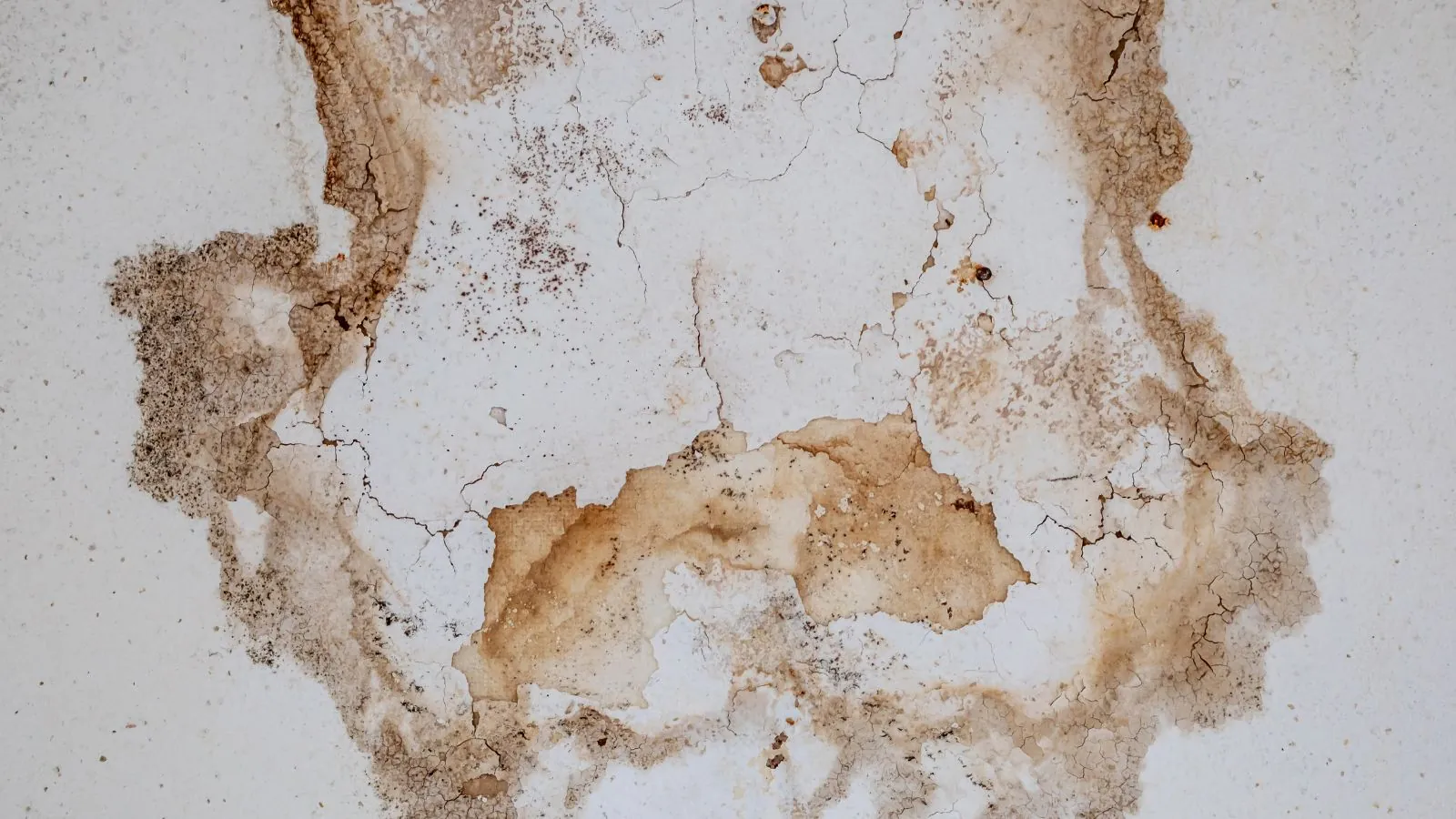
Mold coverage is one of the most confusing parts of a homeowners policy. The short version is that policies often cover mold that results from a covered water loss, often cap the amount, and often exclude mold that comes from long-term moisture or neglect. Your policy decides. We are not an insurer and cannot tell you what your policy covers, so this guide is meant to help you read it and ask better questions.
The cause decides the answer
| How the mold started | How policies often treat it |
|---|---|
| After a sudden covered loss, such as a burst pipe | May be covered, often with a sublimit or cap. |
| From a slow leak or ongoing humidity | Often excluded as a maintenance issue. |
| After flood water from outside | Typically excluded unless you have flood coverage. |
| After a sewer or drain backup | Depends on whether you have a backup endorsement. |
| In a vacant or neglected home | Often excluded or limited. |
The wording varies, so two neighbors can have different answers. Look for the words mold, fungi, wet rot and limited coverage in your policy, and ask your agent to point to them.
Limits and deductibles
Some policies carry a separate dollar limit for mold, and some have a separate deductible. A cap that seems generous can disappear quickly if the walls and flooring need replacing. Ask what the cap is and whether it includes testing and the cost of tearing out and rebuilding.
Why speed matters for coverage
A common theme in mold claims is whether the policyholder acted quickly. Policies often expect you to dry the property and prevent further damage after a loss. If wet materials sit for days, growth can start, and an insurer may argue the mold came from delay. EPA guidance says drying wet materials within 24 to 48 hours usually prevents mold from growing.
That is a reason to start extraction and drying right away. The water extraction page explains the first steps, and the records from drying can show an adjuster that you acted.
Water loss that could turn into mold? Call the 24/7 line today.
☎ (216) 541-8541What to document
- Photos of the visible growth and the area around it, with dates.
- The moisture source and the date it was fixed.
- Moisture readings from the drying process.
- Receipts for testing, removal and drying.
- Any communication with the insurer, in writing where possible.
Questions for your insurer
- Is mold covered under my policy, and under what conditions?
- What is the mold limit and is there a separate deductible?
- Does the limit include testing, removal and rebuilding?
- Is mold from a sewer backup or flood covered?
- What documents do you need and what is the deadline?
If a claim is denied, ask for the reason in writing. You can request a review and provide more records. A restoration company can document the damage but cannot decide coverage. The work itself is described on the mold remediation page.
If your claim is limited or denied
A limit or a denial is not always the end. Ask for the decision in writing with the policy language they relied on. Compare it with your own reading of the policy. If you think the insurer got something wrong, you can ask for a review and send additional records, such as moisture readings, dated photos and a plumber's report on the cause.
You can also ask whether the covered portion of the loss, such as the water damage that started it, is handled separately from the mold. Sometimes the water loss is covered and the mold has its own cap, which means some of the work is paid and some is not.
Plan for the part that may not be covered
Even with coverage, expect to pay a deductible and possibly the amount above a cap. Ask any company for a written scope that separates water damage work from mold work, so the pieces can be tied to the right part of the policy. Clear records make a hard conversation with an insurer easier.
Lakewood note: renters, landlords and shared buildings
Census survey figures show more than half of Lakewood households rent and most housing structures hold more than one unit. In a rental, the landlord's policy covers the building and a renter's policy covers your belongings. If mold grows after a leak in a neighboring unit, document it and tell the landlord in writing.
The Ohio Department of Insurance has a consumer services division that can answer general questions about insurance complaints. We point to it as a place to ask, not as a source for any coverage promise.
Source type: U.S. Census Bureau American Community Survey housing figures and the Ohio Department of Insurance as a pointer for consumer questions.
If you live nearby, the same questions apply in Cleveland and Brook Park. For a flooded lower level, see basement water damage cleanup.
Questions homeowners ask
Is mold covered if it comes from a burst pipe?
It may be, often with a cap or sublimit. Read the mold terms in your policy and ask your agent.
Why do insurers deny mold claims?
Common reasons are long-term leaks, neglect, delay in drying or an exclusion in the policy. Ask for the denial reason in writing.
Can a restoration company tell me if mold is covered?
No. We document and remove it. The insurer decides coverage based on the policy.
Does flood insurance cover mold?
Terms vary, and flood policies often have their own rules. Ask the flood insurer directly.
Where can I ask general insurance questions in Ohio?
The Ohio Department of Insurance has a consumer services division that handles questions and complaints.